
William J. Fleming was a medical practitioner, surgeon and lecturer in physiology, who published medical research, including experiments conducted on himself at the Arlington Baths.
He was one of the founding members for the first Committee of Management of the Arlington Swimming Club.
Early years

William James Fleming was born on
Fleming and the Arlington
At the age of 22, and still an undergraduate medical student, Fleming was a founding member of the Arlington Swimming Club.
In the years following the opening of the Baths, Fleming studied the effects of dry heat in the Turkish suite on human physiology. He published his findings in the Journal of Anatomy & Physiology in 1877, and presented his paper to the Philosophical Society of Glasgow in 1879 while.
He is recorded in the Arlington members’ list of 1890 as a life member with the number 047.
Physiology of the Turkish Bath
In his paper The Physiology of the Turkish Bath, being an Experimental Enquiry into the Effects of hot, dry Air upon Man, Fleming described his experiments.
He performed them on himself at the Arlington, heated by Constantine’s stoves, emphasising the importance of a continuous flow of hot dry air to avoid the accumulation of moist air over the skin. He used an initial heat of 170°F (77°C) for a few minutes to produce diaphoresis — sweating — followed by a maintenance temperature of 130°F (54°C) for up to 60 minutes.
Fleming recorded the volume of fluid loss, change in urine composition, composition of sweat, and changes in body temperature, heart rate, blood pressure and respiratory rate brought about by the exposure to heat.
By weighing himself before and after applying heat, and measuring his fluid intake, he calculated the fluid loss through the lungs and skin. He measured his temperature change with an oral thermometer to avoid the effects of ambient air temperature on the readings. Fleming collected his sweat in an India-rubber sleeve attached to his arm for laboratory analysis of specific gravity, urea and electrolyte concentrations. He found blood pressure measurement to be unreliable in the heat.
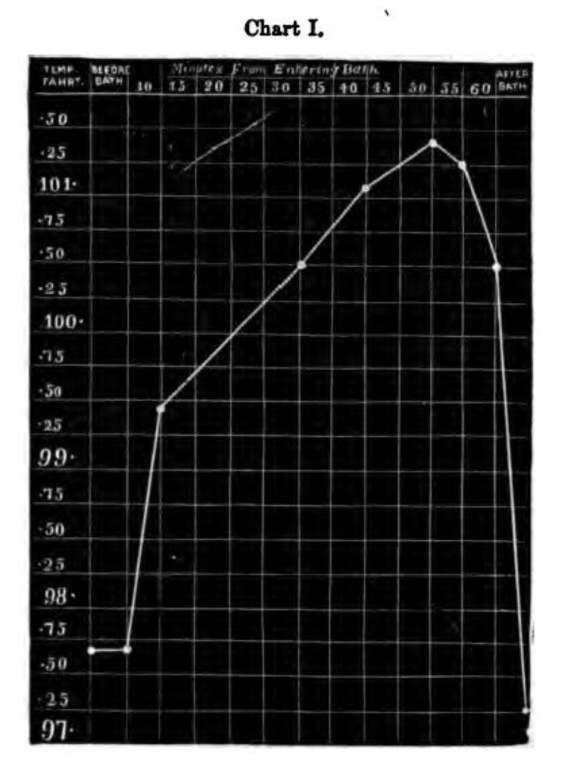
It is worth noting the scientific rigour Fleming applied to his observational experiments.
He concluded:
“The most important action of the Turkish Bath is the stimulation of the emunctory* action of the skin. By this means, we are able to wash, as it were, the body from within outwards.”
* meaning excretory from Latin emunctus, ex mungere (“to blow one’s nose”).
Medical career
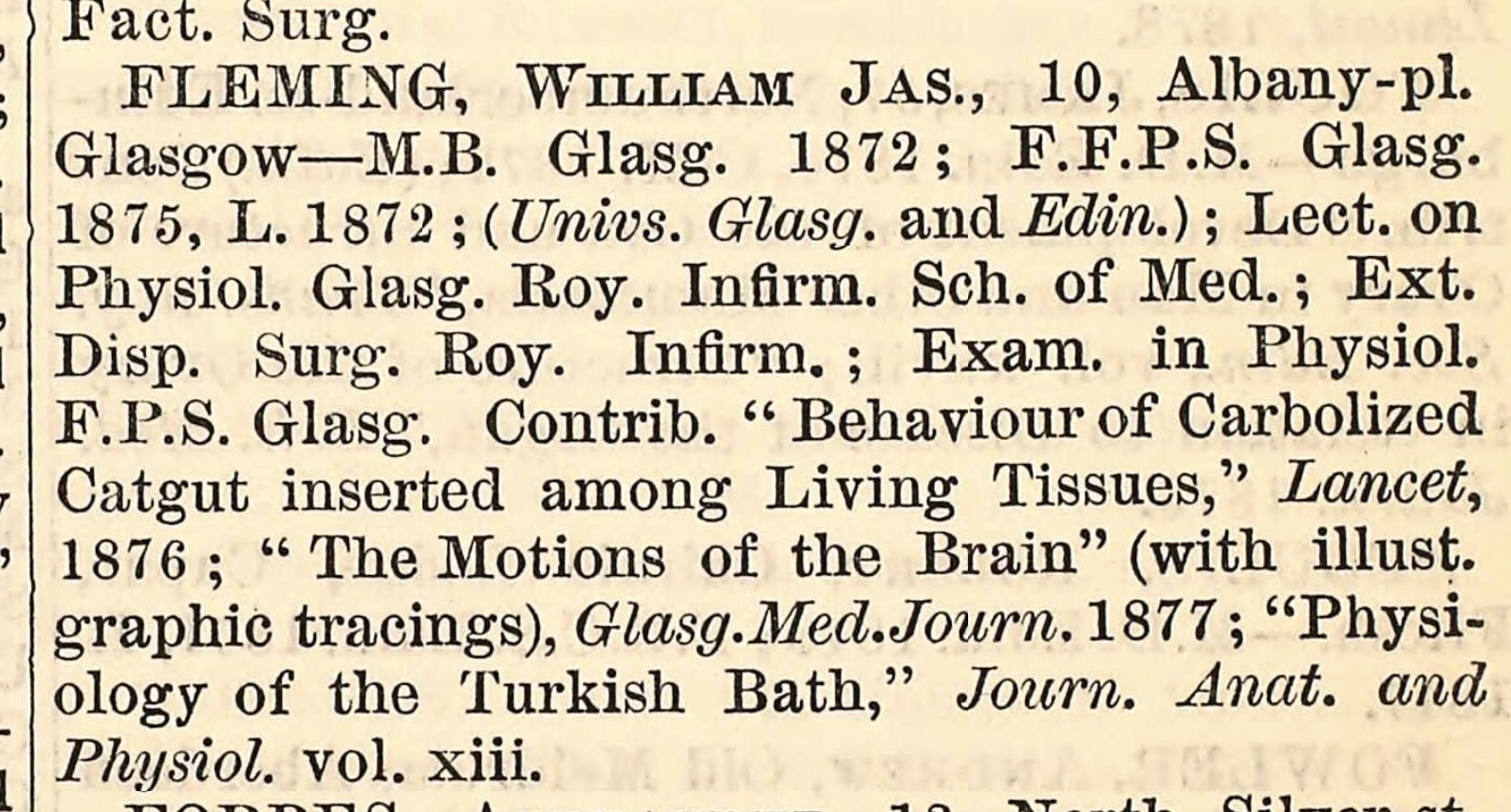
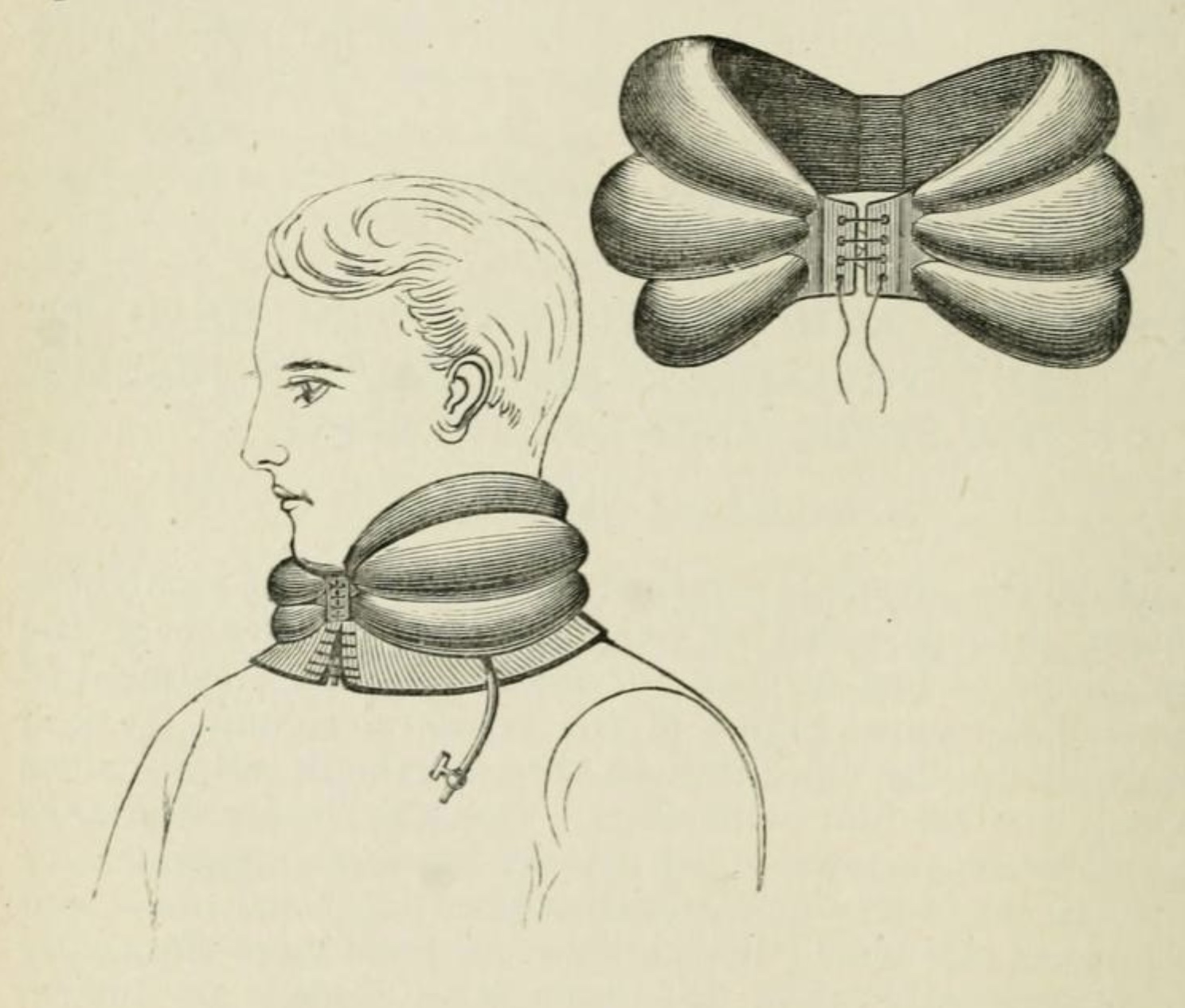
Fleming published papers on a diverse range of medical subjects including neurophysiology of brain movement, a description of the Albertverein nursing movement in Dresden for the care of wounded soldiers, the use of India-rubber bags to support the spine, and the management of urethral stricture.
Sadly, Fleming never achieved the lasting recognition enjoyed by some of his contemporaries, such as Joseph Lister, William Gairdner and William Macewen. He was unsuccessful in his application for the Chair of Institutes of Medicine at the University of Aberdeen, and although well-known in Glasgow circles for his work, appears to have been overshadowed by the other great medical men of his time.
Personal life
William Fleming married
- William David Harold (1879-1951)
- John Gibson (1880-1936)
- Geoffrey Balmanno (1882-1952)
- Ernest Cole (1885-1917)
Annie died in 1895 at the age of 44.
Later years
Fleming gradually withdrew from medical work. He suffered from prostate cancer and died after a three-year illness on 25 February 1901 with disseminated carcinomatosis at the age of 52.
His obituary in the British Medical Journal records a “
He had survived his wife Annie by six years, and left behind their four sons, the youngest of whom—Major Ernest Cole Fleming MC—died on active duty at Boezinge near Ypres in 1917.
The family memorial may be visited at the Glasgow Necropolis.
Research: Jon Oates, Will Jess , Kay Bryant

 Arlington Baths Club History Group
One thought on “William James Fleming MD – surgeon and medical researcher”